Examining Human Impact and Environmental Responsibility
This experience deepens understanding of sustainability by analysing the interaction between the urban development and the natural wetland environment. During their time in the wetland students will work in small groups or pairs and conduct a structured “Sustainability Audit.” The aim of the audit will be to identify evidence of environmental management strategies and potential ecological pressures.
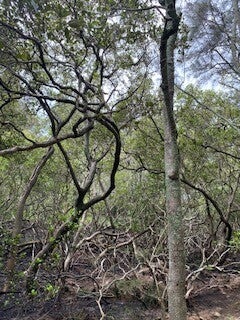
Exploring the Wetlands
While students are at the Careel Bay Wetlands they are encouraged to walk through the boardwalk and read the plaques provided by the northern Beaches Council explaining the natural habitat and its inhabitants. Students will be provided with a worksheet to help them evaluate the purpose of the boardwalk infrastructure, interpretive signage, and conservation efforts, while also considering stormwater runoff and residential expansion. This evaluative inquiry aligns with GE2-3 and supports critical engagement with environmental decision-making.
.
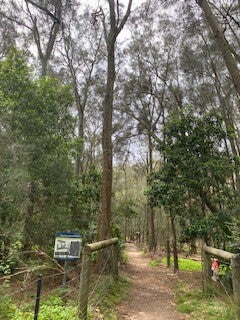
Back in the Classroom
Back in the classroom, students will work in their small groups to create and present a community awareness poster explaining the value and purpose of the wetlands and advocating for wetland protection. This task promotes ethical understanding and civic responsibility while reinforcing the Sustainability cross-curriculum priority. Drawing on Gruenewald’s (2003) critical pedagogy of place, the experience encourages students to question how social systems intersect with environmental processes, fostering higher-order thinking and environmental agency.